
Rivers around the United States are under growing strain from pollution, development and extreme weather, according to environmental nonprofit American Rivers. The bigger the strain, the more problems posed to the wildlife and people that depend on those rivers.
Because of those risks, every year, American Rivers puts together a list of “America’s Most Endangered Rivers” — and in 2026, the Potomac is at the top of the list.
Why is the Potomac in danger?
The Potomac River got top billing in large part due to the massive sewage spill that dumped over 230 million gallons of raw sewage into the river in January.
But even if the spill had never happened, the Potomac would have made the top 10, according to Potomac Riverkeeper Network President Betsy Nicholas.
“We were already under discussions about having it as part of the top 10 endangered rivers at the end of last year,” Nicholas told News4 on Tuesday. “So we were gathering information based primarily on the impact of water withdrawals, and then water quality concerns, about data centers.”
Data center expansion
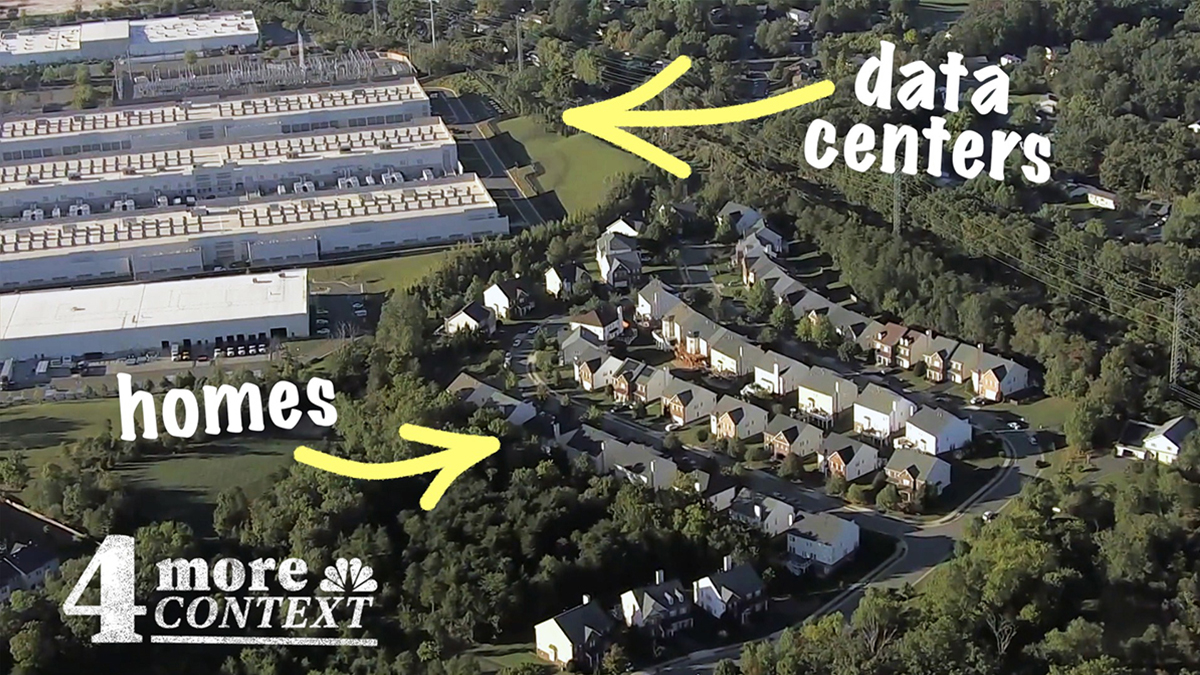
The American Rivers list cites the “rapid, unchecked buildout of data centers” in the D.C. area as “a significant and growing threat” to the Potomac.
Nicholas says data centers use a lot of water for cooling super-sensitive computers and chips. The more data centers there are, the more water is pulled from local water sources, like the Potomac.
“As much as maybe 2 to 4 million gallons a day of water could be used for cooling,” Nicholas told News4.
The use of that water puts “new pressure on drinking water supplies already stressed by increasingly extreme weather, population growth, and toxic contamination,” the report says.
The data centers themselves are also a potential source of toxic contaminants to the water, with the pipes that carry that water through the centers potentially containing chemicals and toxins, Nicholas said.
While individual data center projects being built in Northern Virginia and Maryland must be approved first, there’s not currently a process in place to review the cumulative environmental effects, the report says.
Without a watershed-wide analysis of the effects of the hundreds of projects, there are “dangerous gaps in understanding how these facilities affect downstream communities, ecosystems, and drinking water treatment costs,” the report says.
“The issues and problems are going to happen,” Nicholas said. “So in terms of developing these data centers, we need to look at how we can minimize the impacts to our drinking water systems, and mitigate any possible problems that would happen before they happen, instead of, like the Potomac Interceptor issue, dealing with it after it happens.”
Aging infrastructure
The American Rivers report also extensively discusses the risks posed by the region’s aging infrastructure.
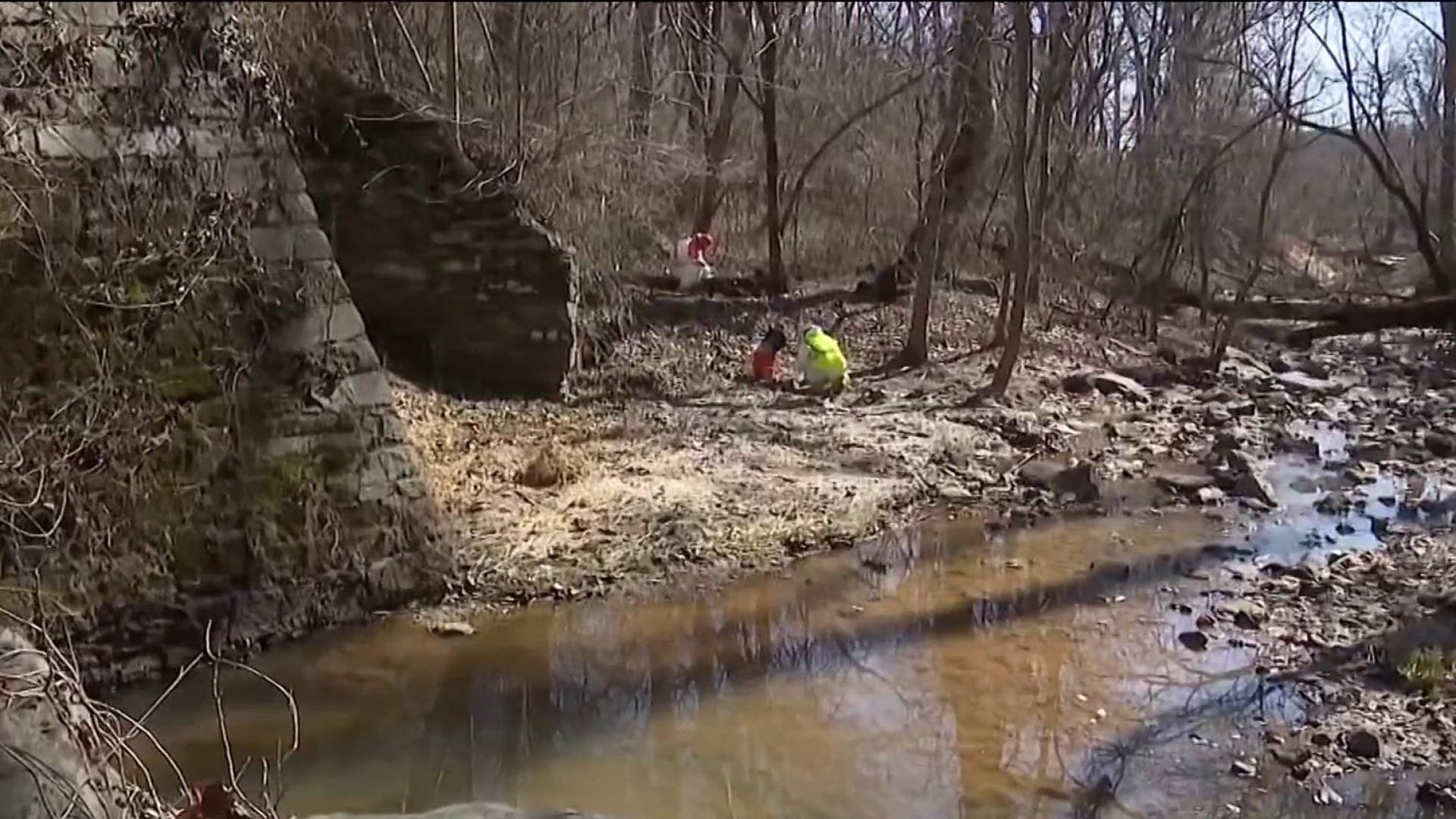
The sewage spill happened when the Potomac Interceptor, an underground sewer line, collapsed just before January’s massive snowstorm.
“A 60-year-old sewage line is going to be vulnerable to problems, and really should’ve been inspected and upgraded sooner,” Nicholas told News4.
In April, a Washington Post investigation found repairs to that sewer line had been delayed for years. D.C. Water asked to fast-track repairs as early as 2018, but National Park Service environmental studies dragged on for years longer than the required one-year timeline, stopping repairs to the exact section that later ruptured.
“We’re hoping to make a little bit of lemonade out of the lemons of what’s been happening to the Potomac River by getting more attention to this issue of aging infrastructure, and the failure to properly invest and plan for the necessary maintenance and upgrades over time,” Nicholas said.
Roughly 5 million people get their drinking water from the Potomac, according to the Potomac Conservancy.
More than 7 million people live in the Potomac River basin across Maryland, Virginia, West Virginia, Pennsylvania and D.C., and would be affected by changes to its safety and quality.
Protecting those millions, as well as the flora and fauna that depend on the river, requires more forethought, Nicholas said.
Thinking in advance “is going to cost us much less money, and make the environment much safer for all of us, particularly those that depend on the Potomac for drinking water,” Nicholas said.
Read the full American Rivers report here.
from Local – NBC4 Washington https://ift.tt/6n7pSFN




0 Comments