
This Pride Month, our story starts in America’s birthplace. Philadelphia’s Independence Hall was a central meeting place for our Founding Fathers, where the Declaration of Independence was adopted and signed in 1776. The site also holds a significant piece of LGBTQ+ history and is where many modern early protests occurred.
Before the terms we use today to describe LGBTQ+ people existed, there are American stories of same-sex relationships, gender non-conformity and love, showing that queer people have been part of our country’s story since the start.
Here’s a look back starting 250 years ago, during the American Revolution.
‘Whispers and discussions’: What’s known about a key Army figure during the Revolution
Baron Friedrich Wilhelm Von Steuben influenced the U.S. Army more than almost any other officer, American or foreign-born, said Tyler Putman, senior manager of gallery interpretation at Philadelphia’s Museum of the American Revolution.
He was born into a military family in Prussia, in what is today Germany, and arrived in 1778 “with respectable letters of introduction from familiar people like Benjamin Franklin, with the trappings of a soldier,” Putman said. “And then he immediately demonstrates his legitimacy by reforming the Army.”
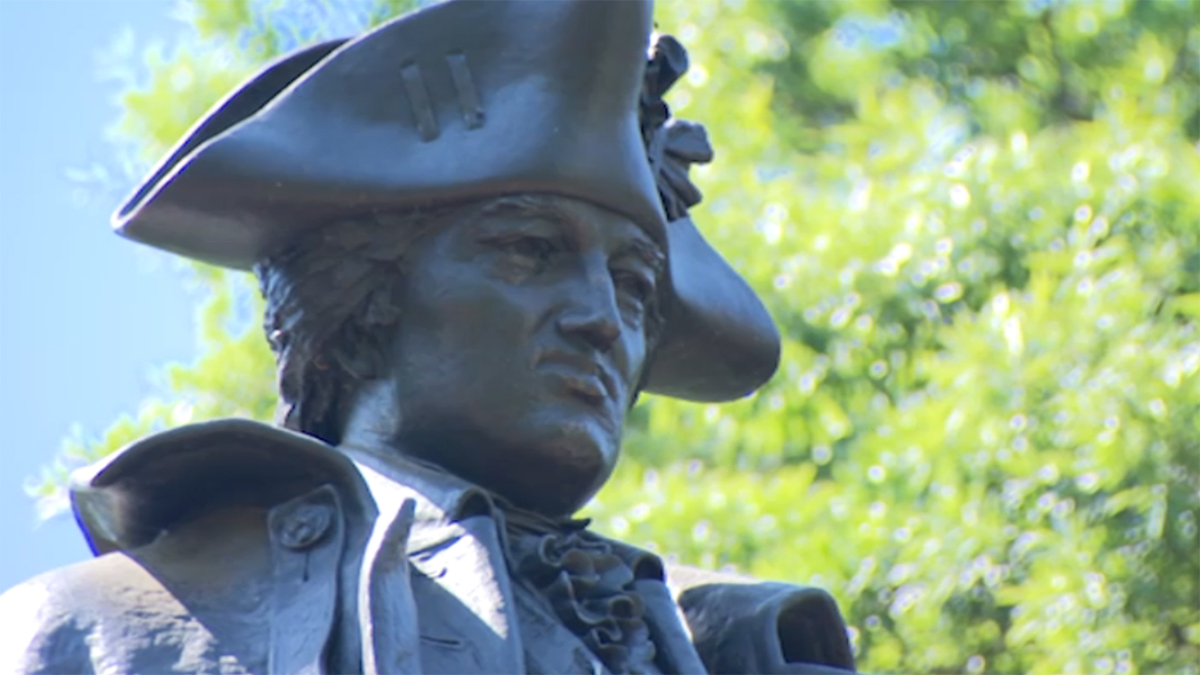
Steuben arrived from a part of Europe where “even the royal family openly takes male lovers,” Putman said.
“What we know is that he had lifelong close friendships with other men. He cohabitated with other men. We know that he wrote romantic – what we would read as romantic – letters to other men. Whether or not he ever had sex with those men, our sources, our knowledge, will never tell us,” Putman said.
News4 got a special look into the museum’s archives, which include an ornate waistcoat that belonged to Steuben, plus bejeweled shoe buckles he gave a friend. We saw the oath of allegiance he signed in spring 1778, which George Washington also signed.
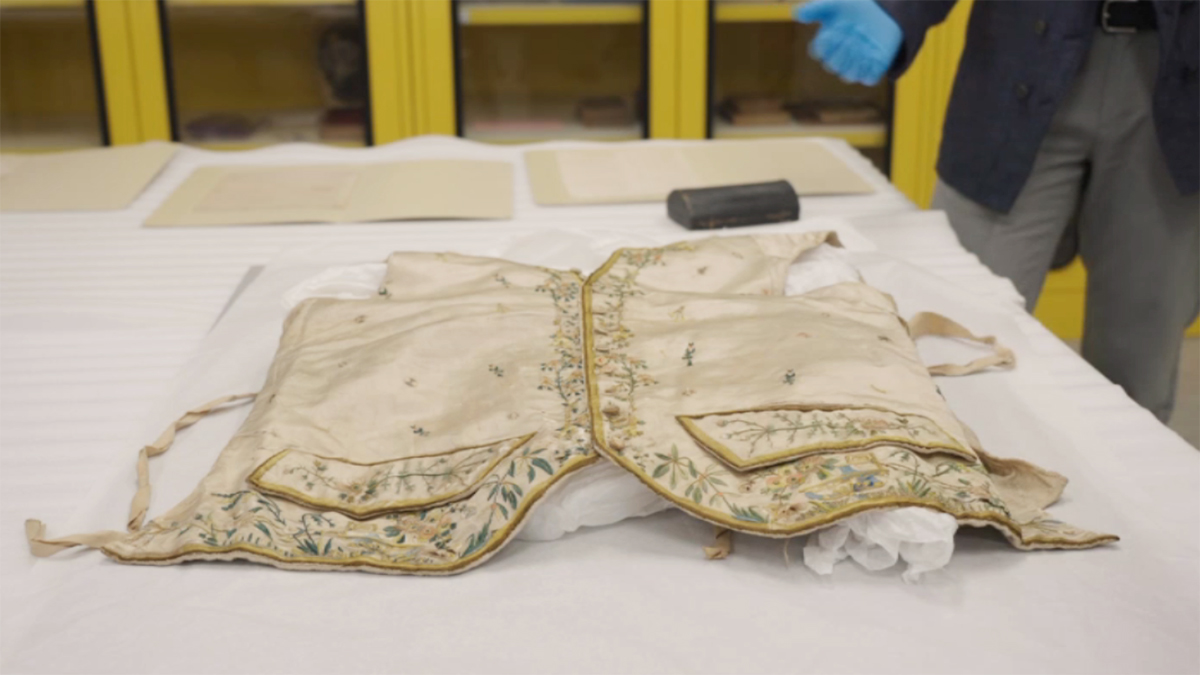
The archive also included an early printing of the Army drill manual Steuben famously published. The book of regulations became known as the Blue Book.
“Even today, when a soldier enlists in the United States Army, they receive a kind of basic soldier’s handbook that is still nicknamed the Blue Book,” Putman said.
Throughout Steuben’s life, “there are examples and whispers and discussions, but it never seems to have been enough to derail his career in America,” Putman said. “And honestly, it’s only really in our time, when people have become more interested in sexuality and queernesses and identity, that people have kind of looked at all the evidence and stitched it together.”
By the end of the war, Steuben was in his late 40s. He built a two-room log cabin in New York after receiving a land grant and lived there for the rest of his life with his personal secretary, Putman said. He legally adopted two of his wartime aides, both men, making them his heirs.
Inklings of LGBTQ+ life in the Civil War era
LGBTQ+ people may not have been mentioned in your school’s lessons on the Civil War, but historians say there’s evidence of their lives and love at the time.
“We have a lot of inklings and a lot more that has emerged in the last two decades,” Leisa Meyer, a professor of history and gender studies at William & Mary said at Manassas National Battlefield Park.
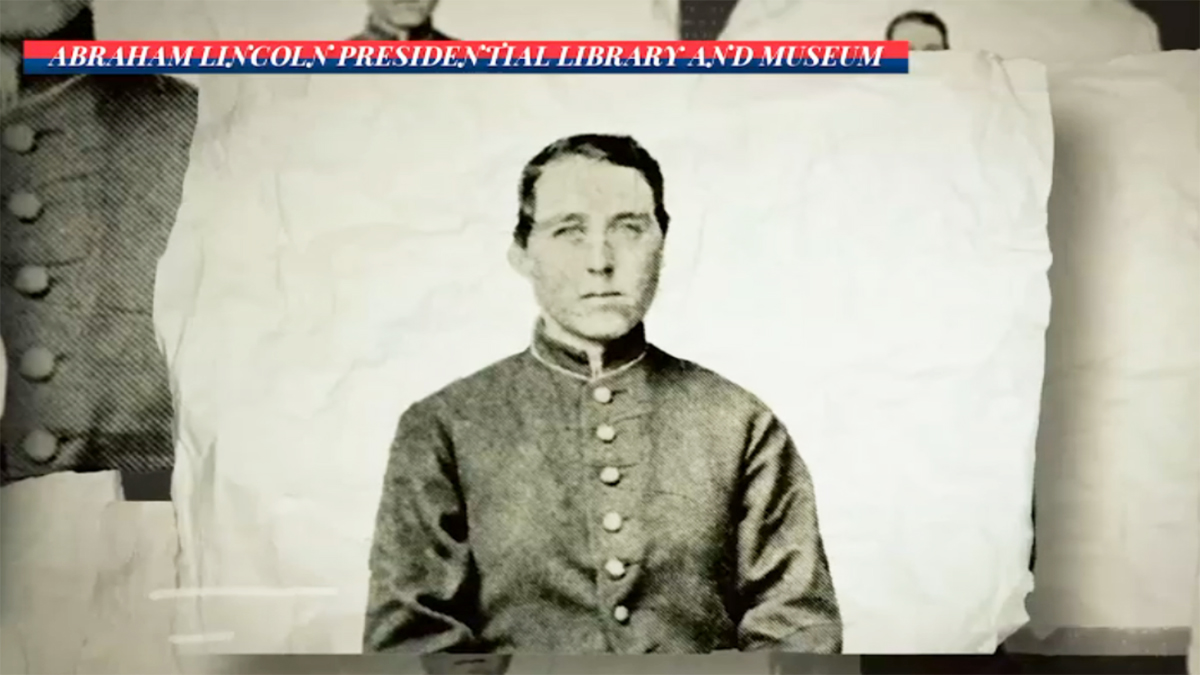
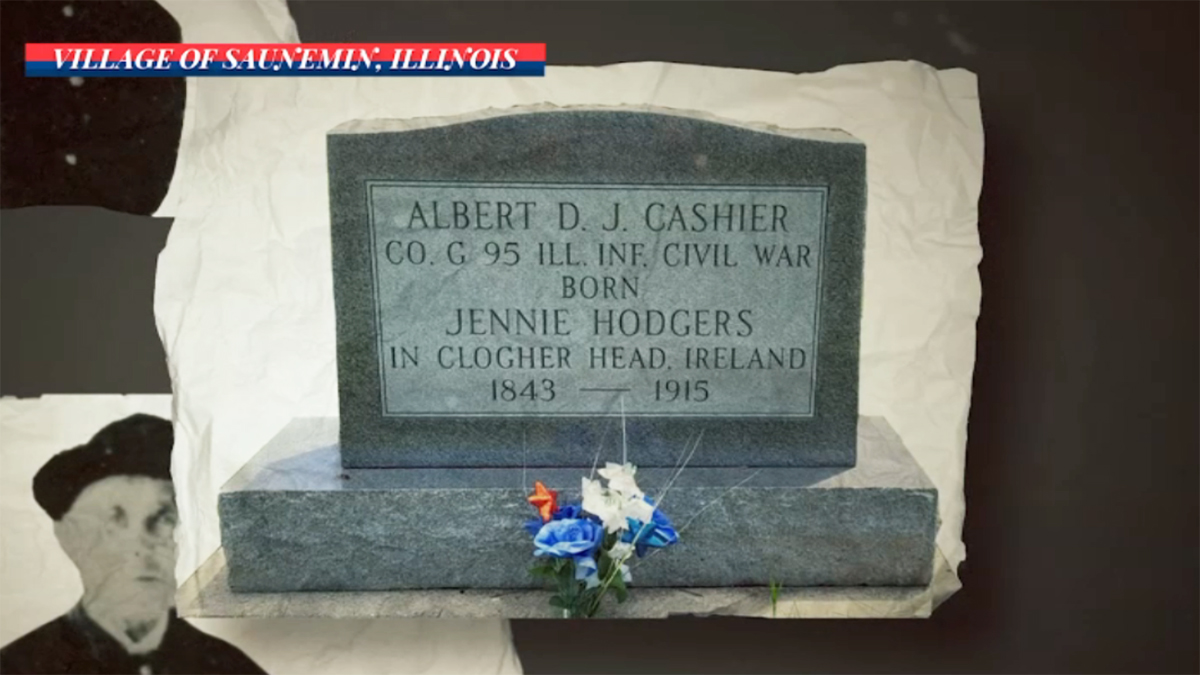
Between 400 and 1,000 women are estimated to have fought in the war as men, Meyer said. Many were caught after they were injured in battle. Albert Cashier, born Jennie Hodgers, fought as a man and then lived the remainder of his life as a man, Meyer said.
Cashier’s headstone in Saunemin, Illinois, bears both names.
Men who were caught together during the war were sometimes court-martialed and punished not because they were considered gay but because “they were engaged in what was termed unnatural acts or inappropriate acts,” Meyer explained.
Letters that a young, free Black woman wrote another woman in the 1850s and 1860s suggest they had an intimate relationship. About 150 letters that Addie Brown wrote to Rebecca Primus are part of the Connecticut Museum of Culture and History’s archives.
“They talked about how much they loved each other, and their letters were really sexually explicit, some of them, so it clearly was also a physical relationship,” Meyer said. “Addie’s mom would say if one of them was a man, they’d be married.”
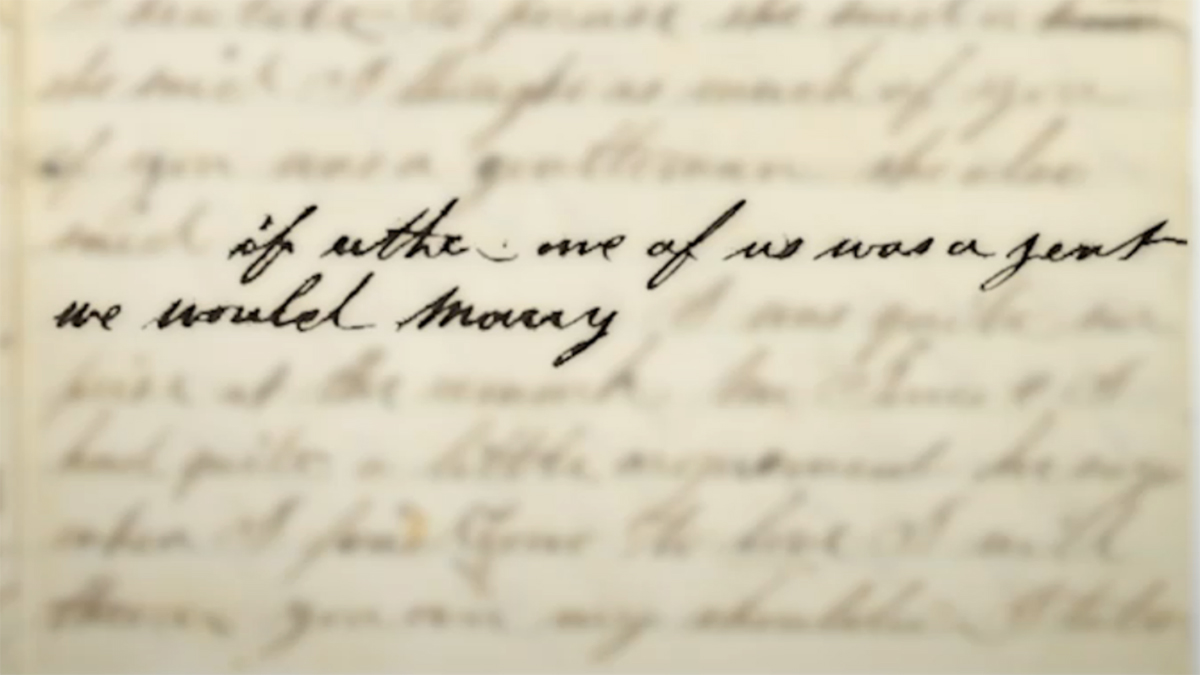
Was Lincoln gay? The question comes up at Lincoln’s Cottage in DC
President Abraham Lincoln spent over a quarter of his presidency at what’s now known as President Lincoln’s Cottage, in upper Northwest D.C. Tours of the historic site and museum often start with questions, said Joan Cummins, associate director of learning initiatives.
Visitors sometimes ask if Lincoln was gay, CEO and Executive Director Callie Hawkins said.
“Curiosity is one of our organizational values. So, we do ask questions that probe all of Lincoln’s humanity, and, you know, this question does come up,” she said.
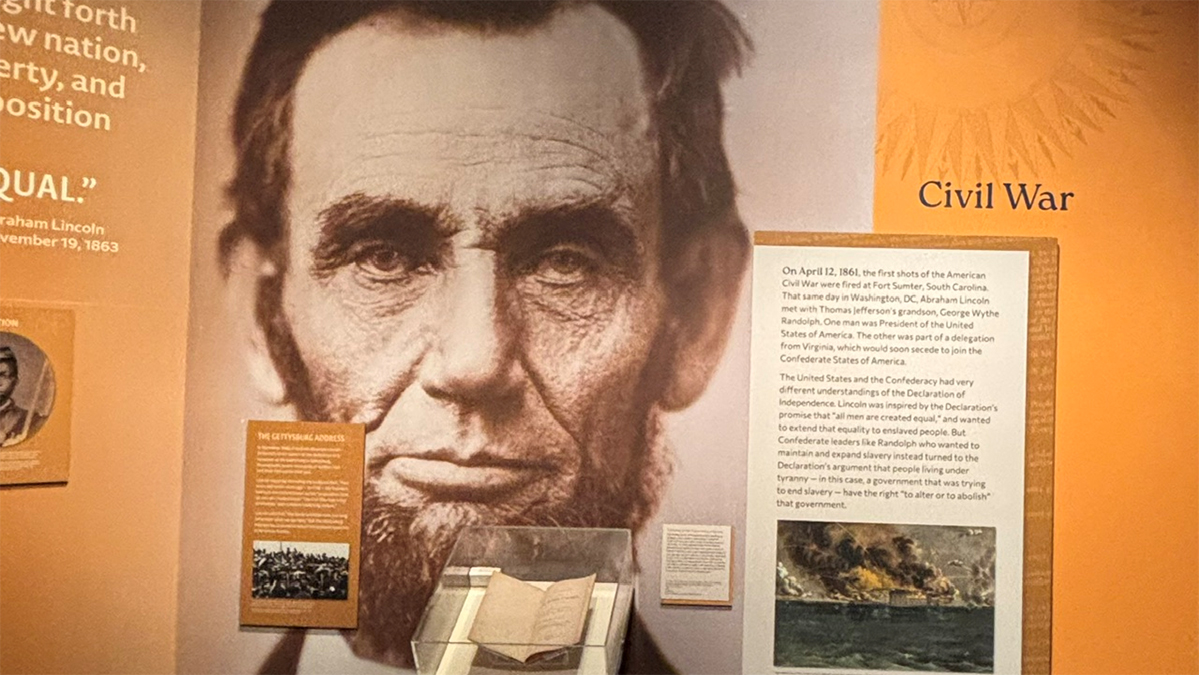
Cummins and Hawkins spoke with a historian about the topic on an episode of the cottage’s podcast, Q & Abe.
News4 asked how they handle visitors’ questions.
“I try and be straightforward about what we know or don’t know, and I try, through the conversation, to understand a little bit about why somebody is asking and why the answer might be important to them,” Cummins said.
“We know a couple of things,” she said. “We know that Abraham Lincoln had a really profound connection with someone named Joshua Speed while he was living in Springfield. They met each other. They were roommates. Speed is the person who took razors out of Lincoln’s room when he hit one of his deepest episodes of depression. So, they were sort of taking care of each other in that way. We know for a fact they were sharing a bed. And the other one that stuck with me is that Lincoln wrote Speed a letter that’s like: It’s been 10 hours since I got your last letter, and I have barely been calm the whole time, which says to me, like, that person was really important to you.”
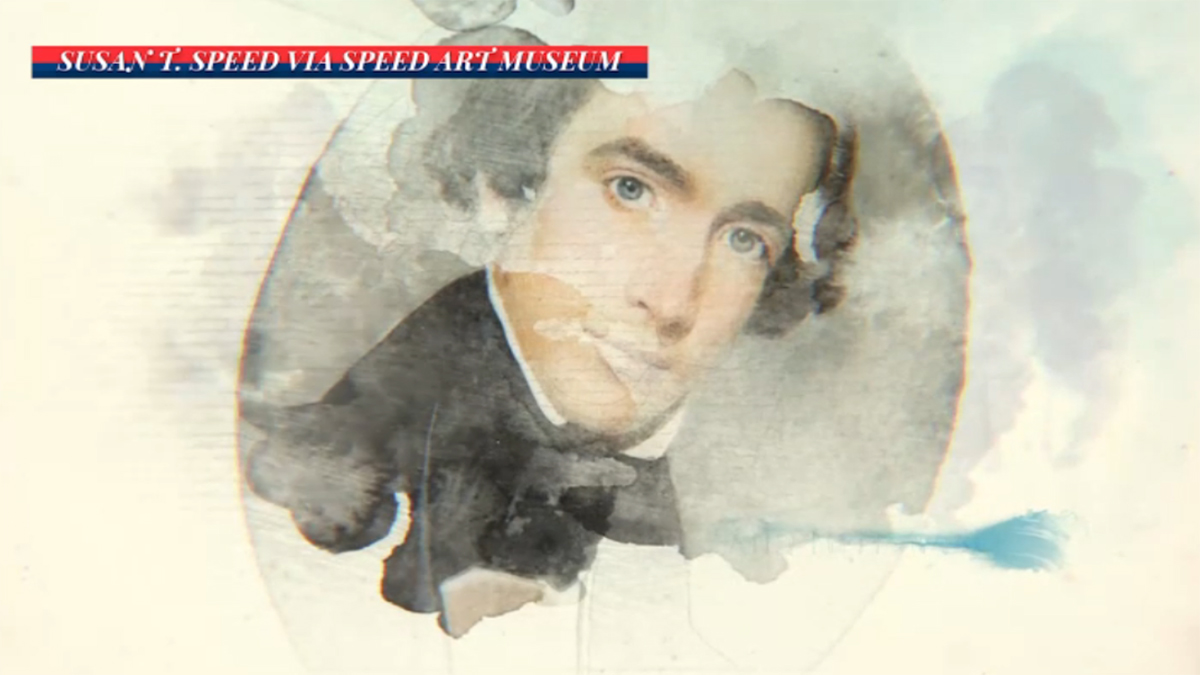
Lincoln “shared a close relationship with Captain David Derickson, who was captain of the Bucktail soldiers who were sent here to guard the president,” Hawkins said records show. “There were, you know, rumors around town that Captain Derickson had used one of President Lincoln’s nightshirts.”
There’s still more to learn about Lincoln, Hawkins said.
“For us here at the cottage, it’s not a threat to talk about those kinds of things,” she said. “Lincoln is a man about whom 17,000+ books have been written. We think that we know all there is to know about him? There is so much more to know. But you can’t know any of that until you ask the questions.”
‘Queer suffragettes had a lot at stake’
“LGBTQ+ people have always been a part of history and have always been active, especially in various social movements,” said San Jose State University history professor Wendy Rouse.
As Rouse taught her students about the history of the suffrage movement from the 1880s to the 1920s and learned about activists’ personal history, she noticed how many were queer. Many were subjected to physical violence as they campaigned, she said.
“Queer suffragettes had a lot at stake, and this fight wasn’t just a fight for the vote. For them, it was the fight to be able to live and love freely,” Rouse said.
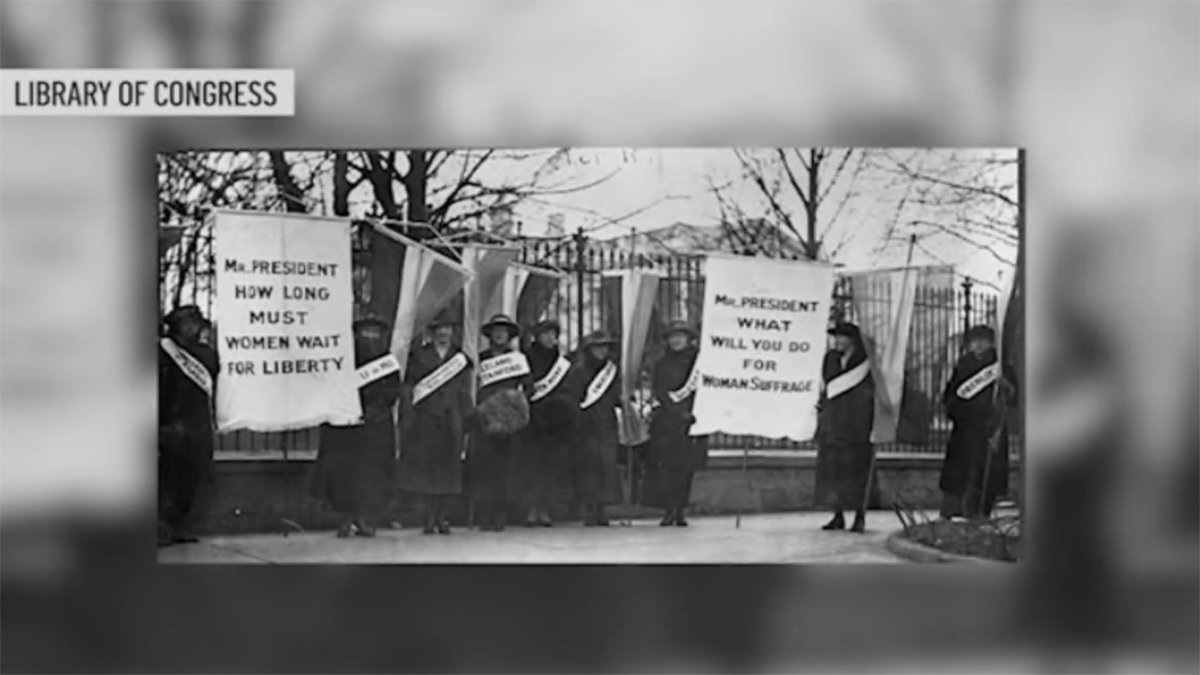
Their protest tactics blazed a trail for others in the future.
“If you look at the tactics of the suffragists, right? Everything from parading to picketing to standing in front of the White House to demand for their rights, those were all kind of pioneered by the suffragists,” Rouse said.
An early DC ‘gay power couple’
Carolyn Muraskin, with DC Design Tours, leads tours on architecture and design and teaches participants about the Slowe-Burrill House in Northeast D.C. It was the home of two pioneering Black, lesbian women in the 1920s and 1930s, Lucy Slowe and Mary Burrill.
Slowe was “completely ahead of her time,” Muraskin said.
“Even though they weren’t publicly out, they’re generally considered, you know, some of the earliest prominent gay couples, gay power couples in Washington, D.C.” she said.
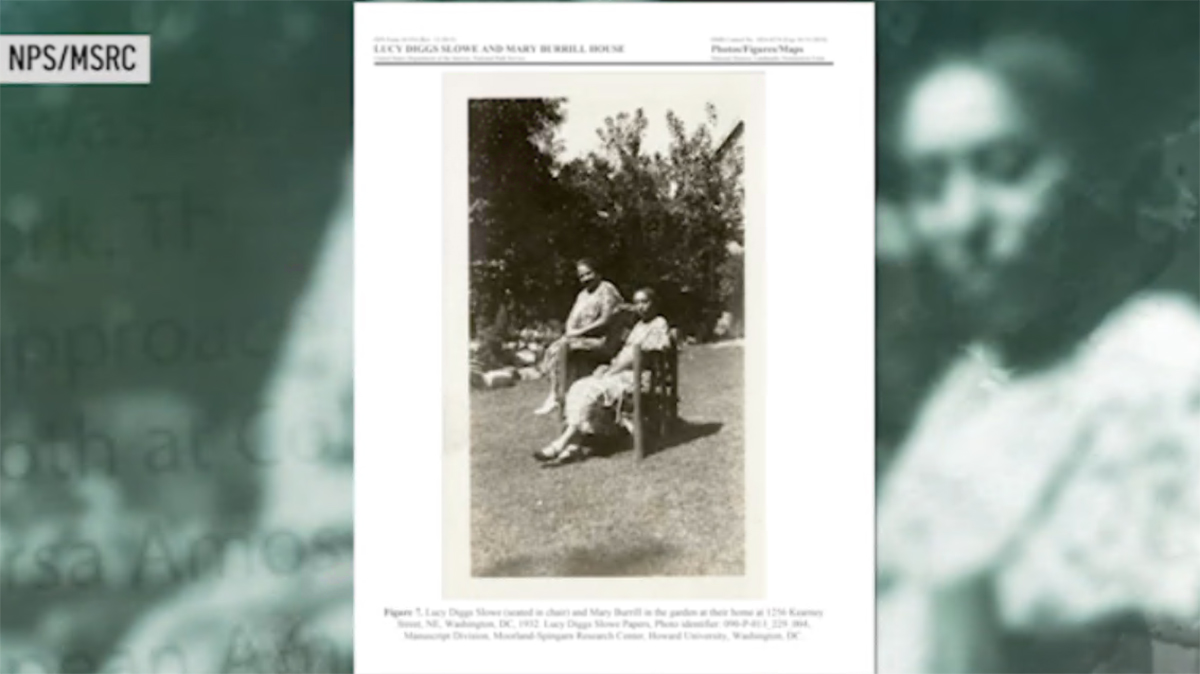
Slowe attended Howard University from 1904 to 1908 and was one of the original founders of Alpha Kappa Alpha Sorority, Inc., one of the most famous historic Black sororities, Muraskin said. She served as Howard’s dean of women from 1922 to 1937.
Burrill was an accomplished woman in her own right, was a playwright and was involved in the New Negro movement and Harlem Renaissance. Together, they likely hosted leaders of their time including Mary Church Terrell and Mary McLeod Bethune.
“Imagine the meetings and gatherings that took place in this house,” Muraskin said.
The radical lesbians on 11th Street SE
Decades later, in the 1970s, a “radical separatist lesbian collective” in Southeast D.C. became known as the Furies House. Members were part of civil rights movements and got kicked out for being lesbians, said local tour guide Robert Pohl, who lives in the home today.
The group had three houses in D.C. but a home on 11th Street was their headquarters and where they wrote, printed and sent out their newspaper, “The Furies,” he said.
“The mission was to spread their thinking, their ideas about gay equality, or if not – failing that – then doing it on your own, not being part of a male-dominated society,” he said.
“They wanted this for everyone. What they wanted for themselves, they wanted for everyone,” he added.
Why a Black DC activist would be on ‘the Mount Rushmore of the LGBTQ community’
D.C. activist ABilly Jones-Hennin is recognized as a visionary fighter for queer rights, including in his work on the 1979 National March on Washington for Lesbian & Gay Rights. He enlarged the scope of the first march and made it a “game changer” that 75,000 people attended, LGBTQ+ advocate and civil rights attorney Sue Silber said.
“I think he started out primarily with the National Coalition of Black Gays and then realized that, wait a minute, it’s got to be broader than that. There’s got to be Hispanics, there’s got to be Native Americans, there have got to be Asians,” she said.
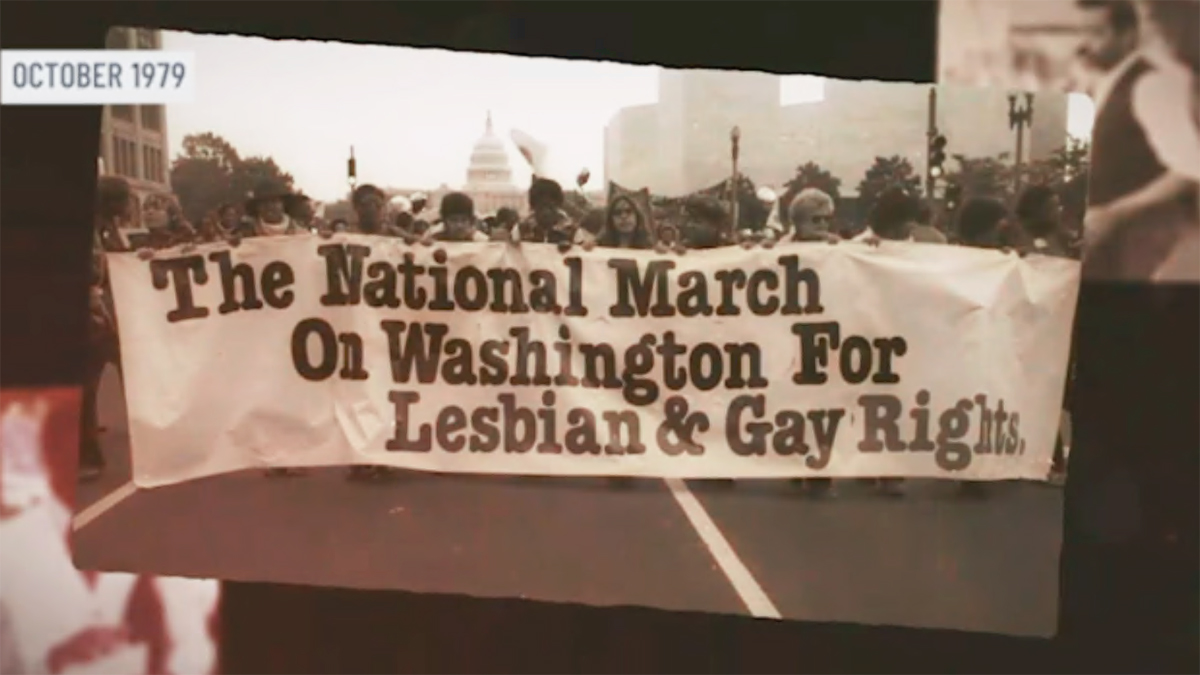
Jones-Hennin led a “freedom and liberation” movement that was transformed by the death and fear of the AIDS crisis, DC Black Pride founder Ernest Hopkins said.
“HIV came in and kind of really forced, it really did force people to shift focus into addressing what was and is a very broken health care system,” Hopkins said.
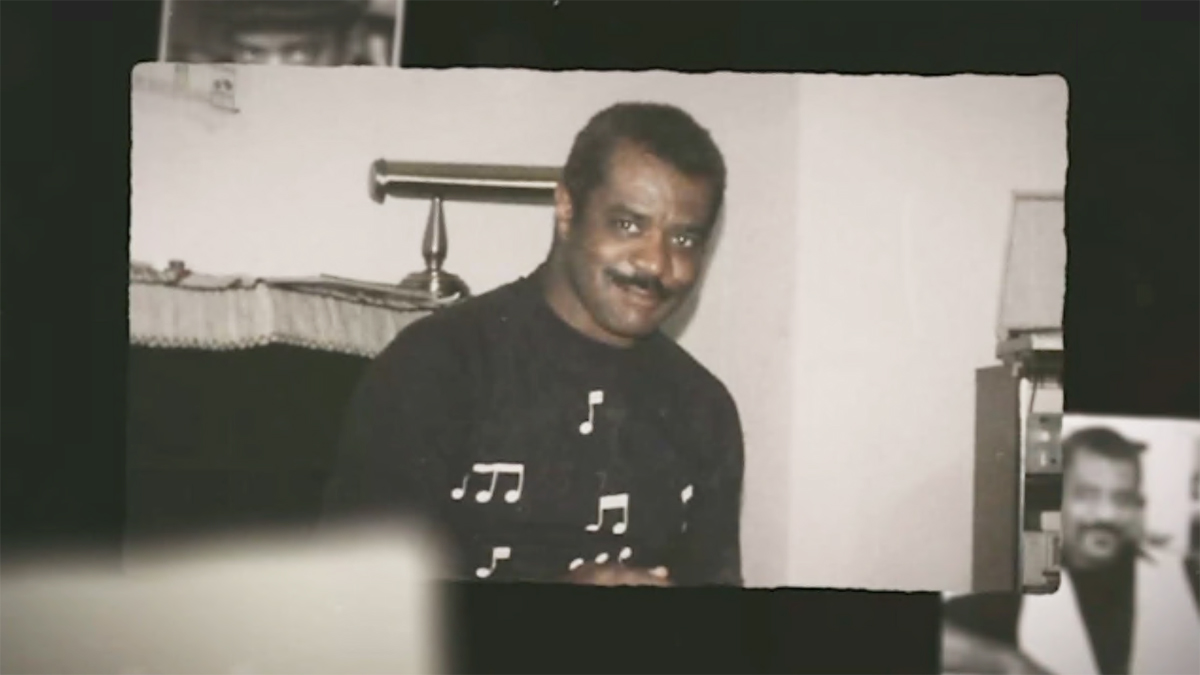
Jones-Hennin worked to seed activism nationally and give HIV patients a seat at the table, Silber said.
“I think he felt a calling, a little bit like some of our other civil rights leaders that, you just know you have to do it,” she said.
Hopkins said he wants to see Jones-Hennin recognized. He died in 2024 at age 81.
“There’s a few people who you’d put on kind of the Mount Rushmore of the LGBTQ community,” he said. “And for Black people, I think Abilly is one.”
‘They could have lost homes, their families, their lives’
Mark Segal, founder of The Philadelphia Gay News, has a response when people ask him about queer history.
“I say primarily, ‘You don’t know our history,’ because most people say, ‘Well, we’ve had a quick history; it’s only been 50 years,’” he said.
Segal pointed to the 1960s, when Frank Kameny picketed outside the White House, picketing at the Dewey’s lunch counter in Philadelphia in 1965, and actions in San Francisco and Los Angeles that all preceded the Stonewall riots.
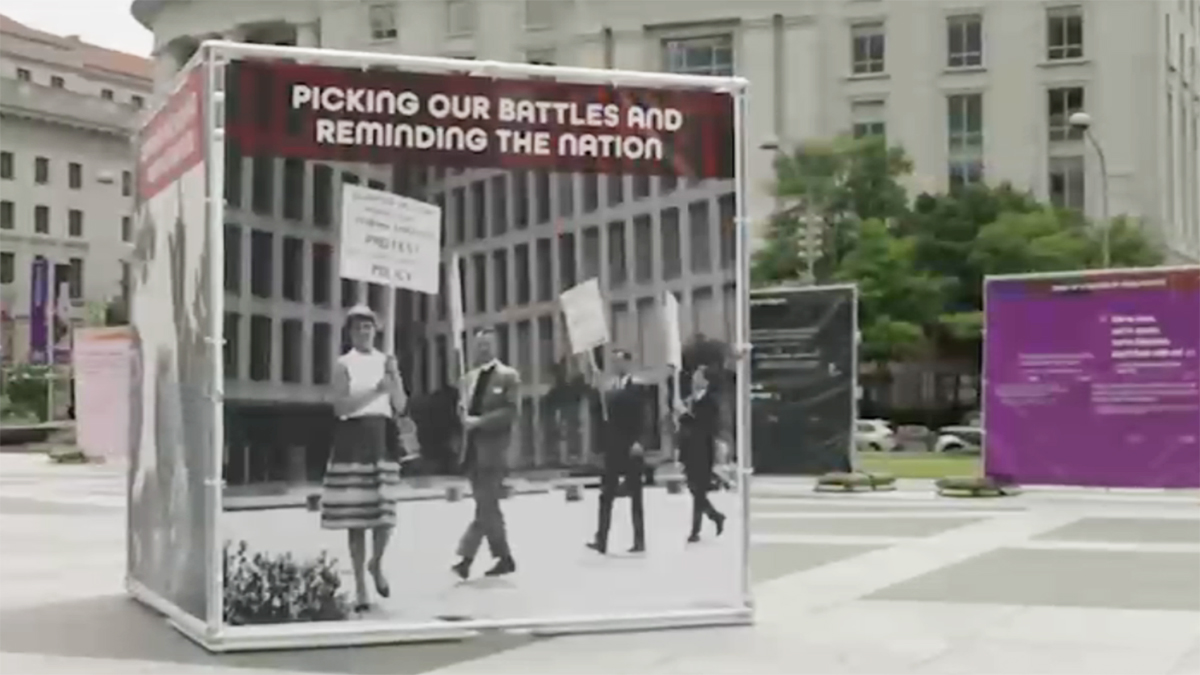
“We proved that being out loud and proud and being visible, other people would feel comradeship, brother, sisterly love, and want to join in,” he said.
The queer liberation movement is key to the Philly Pride Visitor Center, one of the nation’s first dedicated LGBTQ+ visitor centers. The city is where annual reminder days for gay liberation were first held, starting in the 1960s, Kristopher Lawrence said.
“They did that every July 4th from 1965 to 1969, and they marched around the front doors across the street, the front door of Independence Hall,” Segal said.
“They put their necks on the line at a time when they could have lost their jobs. They could have lost homes, their families, their lives,” Lawrence said.
‘All the movements are working together’
Segal said he believes transgender rights are the movement’s next frontier.
“They don’t attack the G and the L; they attack the T,” he said.
D.C. transgender rights advocate Earline Budd described spending decades working for fairness.
“During my earlier years, I do remember going on the Hill, going down to those offices,” she said. “Trying to get ‘transgender’ added into the spectrum of the lesbian and gay, and that was a battle. We have to have groups and different types of folks doing different advocacy, and you have a lot of people that are doing that kind of work.”
Multiple movements are uniting, Devon Ojeda of Advocates for Trans Equality said as he stood near a mural on H Street NE that shows Budd.
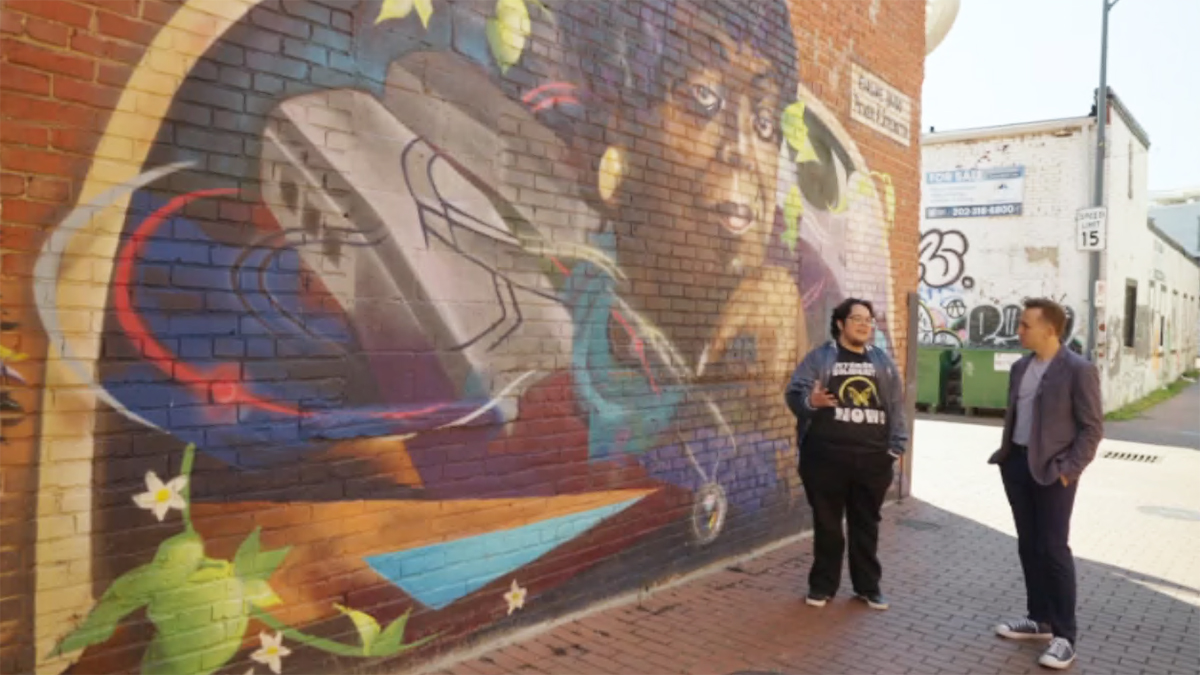
“I think we’re going back to old school, during the Civil Rights movement, where all the movements are working together. I think people are realizing that when there’s an attack of one marginalized community, there’s an attack over everyone,” he said.
“I have been going to a lot of rallies. I’ve been organizing rallies. And I’m noticing more cis, heterosexual, even older folks showing up,” Ojeda said.
“We’re all people and we deserve the same rights,” Budd said.
Queer joy and the dream of old age for all LGBTQ+ people
Lawrence said he believes expressing joy will help create progress.
“The best way we can defiantly move that needle of progress forward is just by existing, just by producing, promoting and embracing queer joy,” he said.
Segal said he believes in the power of LGBTQ+ visibility.
“I decided the most important thing I could do is continue the battle of being visible. I believe that’s the best tool we have in our toolbox, still to this very day,” he said.
Budd said thinking of lives lost pushes her forward.
“I’ve done 475 funerals. That is what pushed me, and I never looked back. Never, ever looked back,” she said. “I am the type of person that protests through doing on-the-ground work.”
Ojeda said he dreams of long, full lives for all LGBTQ+ people.
“I want us to, you know, survive and be older. I want to grow old. I want to have gray hair. I want to see other trans, younger folks living their lives as they should,” he said.
“All we wanna do is just live our lives and contribute to this great nation,” he said.
Get the D.C. area’s top news and weather delivered to your inbox every morning. Sign up for First & 4Most, our free newsletter.
from Local – NBC4 Washington https://ift.tt/MeI5odk


0 Comments